
A Quick Guide To Pink Eye

Pink eye is a common eye infection that ten percent of people experience at some point in their lives.
Fortunately, it isn’t serious and there are plenty of things you can do to relieve the symptoms, but it’s important to be able to recognize it in case it happens to you or a family member.
What Pink Eye Is And Why Do We Get It?
Conjunctivitis, commonly known as pink eye, is an inflammation of the conjunctiva (the clear tissue that covers the white part of the eye and the insides of the eyelids). When the conjunctiva becomes inflamed, it happens as a result of irritants such as viruses, bacteria, chlorine, shampoo, or allergens getting in the eye. Children are most prone to getting pink eye because of all the time they spend around other children, and it’s a highly contagious infection.
Pink Eye Symptoms
The symptoms of pink eye include redness, puffiness, itchiness, excessive tears, thick discharge that makes it difficult to open the eye, burning, light sensitivity, and blurred vision. These symptoms may vary depending on the cause of the infection.
Types Of Pink Eye
Our eyes can become irritated from just about anything getting in them, but the three main types of pink eye we’ll focus on are viral and bacterial conjunctivitis and allergic reactions.
- Viral. This is the most common type and is caused by viral strains that can spread very easily. It might seem like your eyes are just itchy at first, but viral pink eye involves a lot of watery discharge and sometimes light sensitivity. It tends to last one to two weeks. Because this is caused by a virus, it cannot be treated with antibiotics, but it typically goes away on its own.
- Bacterial. If pink eye is caused by contamination from bacteria, then instead of watery discharge, the result is much thicker yellow or green secretions. This type will also be very contagious. While it will usually go away after a few days, prescribed antibiotics can help clear it up faster so that you don’t have to wait it out.
- Allergic reaction. Allergy-based conjunctivitis is not contagious, though it may have similar symptoms. Allergy medication can help with these.
What To Do On Your Own
It’s important to see a doctor if you have pink eye, particularly if it hasn’t gone away after the expected amount of time, but there are a few ways you can relieve the symptoms and keep it from spreading.
- A warm compress can help with the swelling and the discharge.
- Avoid touching your eyes, because this could irritate them further and introduce new germs.
- If you usually wear contacts, switch to glasses until the infection is gone (and switch to new lenses afterward, as the old contacts are likely contaminated).
- Wash your hands often to limit the spread of the infection.
When To See The Doc
If your symptoms get worse or if you start experiencing flu-like symptoms such as a high fever, shaking, impaired vision, etc., you should definitely schedule an appointment with your local Vision Source® member optometrist or just come right in! They’ll take a look and help you start feeling like yourself again.
Keep washing those hands to take care of your eyes!
Find a Vision Source® practice near you using our search tool.
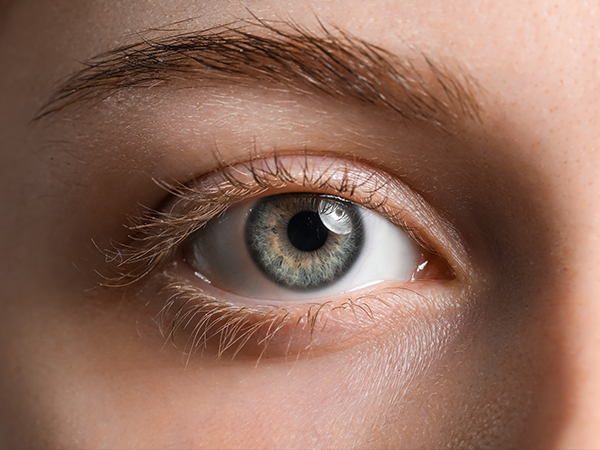
Top image by Flickr user egrigz used under Creative Commons Attribution-Sharealike 4.0 license. Image cropped and modified from original.
The content on this blog is not intended to be a substitute for professional medical advice, diagnosis, or treatment. Always seek the advice of qualified health providers with questions you may have regarding medical conditions.
Quick Links
Helpful Articles
article_category: products
article_category: psychiatry
article_category: faqs
article_category: cats
article_category: general
article_category: services
article_category: technology
article_category: dogs
article_category: restorative
article_category: vision therapy
article_category: contact lenses
article_category: health
article_category: conditions
article_category: eye surgery co-management
article_category: exotic
article_category: cosmetic
article_category: surgical procedures
article_category: aesthetics
article_category: preventative
article_category: ocular disease management
article_category: eyeglasses
article_category: eye health
article_category: large animal
[]
article_category: psychiatry
article_category: faqs
article_category: cats
article_category: general
article_category: services
article_category: technology
article_category: dogs
article_category: restorative
article_category: vision therapy
article_category: contact lenses
article_category: health
article_category: conditions
article_category: eye surgery co-management
article_category: exotic
article_category: cosmetic
article_category: surgical procedures
article_category: aesthetics
article_category: preventative
article_category: ocular disease management
article_category: eyeglasses
article_category: eye health
article_category: large animal
[]
Flowbite is an open-source library of interactive components built on top of Tailwind CSS including buttons, dropdowns, modals, navbars, and more.
Check out this guide to learn how to get started and start developing websites even faster with components on top of Tailwind CSS.
All Eye Care Services
Find personalized eye care excellence with our comprehensive services. From eye exams to advanced diagnostics, trust us for all your vision needs.

Keep In Touch
For non-urgent questions or to learn more about our services, contact us today!
© 2026 The Oculist by Vision Source. All rights Reserved - Accessibility Statement - Privacy Policy - Sitemap
Managed and Designed by 